
Health Benefits of Alpaca Wool
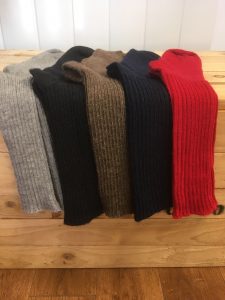
Gentle Grip Socks
Alpaca wool has a lot of benefits for people who are suffering from poor circulaton in their hands and feet. These benefits stem from the unique structured properties of the alpaca fiber which is often more effective for sensitive skin than the traditional wool or cotton.
Alpaca fiber contains microscopic air pockets that provide very effective insulation. These pockets trap body heat more efficiently than sheep’s wool, helping to prevent the narrowing of blood vessels caused by cold temperatures. The bed socks offer a perfect solution for those suffering from cold feet in bed being 90% alpaca.
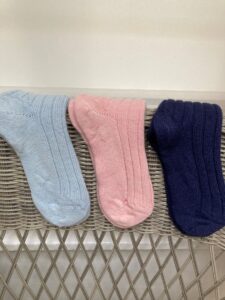
Bed Socks
For those with diabetes, keeping feet dry is critical to prevent fungal infections and skin breakdown. Alpaca fiber is naturally hydrophobic; it wicks perspiration away from the skin to the surface of the sock where it can evaporate. This moisture management, combined with the fiber’s natural antimicrobial properties, reduces the risk of infection and helps control odour.
Chemotherapy can make the skin extremely sensitive and prone to “hand-foot syndrome. The benefit of alpaca wool is it lacks lanolin making it hypoallergenic reducing skin irritaion. Also with the gentle grip socks there is more elasticity in the cuff which will help maintain blood flow down the leg and into the foot.
Regular exercise is one of key ways to help with poor circulation and having comfortable socks to wear is essential. The alpaca fiber offers all the required credentials to help with this.
Comparison of Fiber Benefits
| Feature | Alpaca Wool | Sheep Wool | Cotton |
| Warmth | High (hollow core) | Medium | Low |
| Moisture | Wicks away | Absorbs & stays damp | Absorbs & stays wet |
| Sensitivity | Hypoallergenic | May contain lanolin | Generally safe |
| Durability | High | Medium | Low |